Installation precautions:
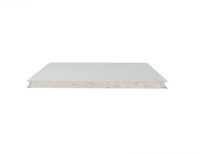
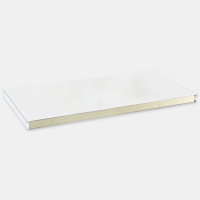
1. The production process of purification plates is complex, requiring not only the cleanliness of materials, but also the adhesion of coatings, surface flatness, color uniformity, coating scratch resistance, and many other factors. From a design perspective, clean panels require multiple manufacturing processes for coatings to ensure product quality.
2. The purification plate is made using UV technology, which can instantly dry and solidify the coating. The coating is dense, pore free, has strong adhesion, and stable chemical properties. The dense coating of the purification board allows dust, stains, and pollutants to only stay on the surface of the material and cannot penetrate. So, simple cleaning can maintain the cleanliness of the material. The coating of the purification plate is hard and has good wear resistance. Under normal friction conditions, the surface of the clean plate does not produce dust, maintaining cleanliness from the perspective of the material itself. And during the washing and friction process, the coating is not damaged or affected in any way.
3. The purification board uses paint as the coating material, and the quality of the paint plays a crucial role in the performance of the clean board. By using high-performance UV paint as raw material and combining it with professional UV process technology, the cleanliness characteristics of the clean board can be achieved.
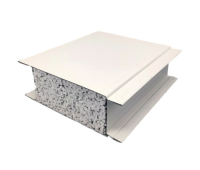
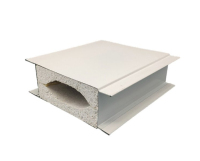
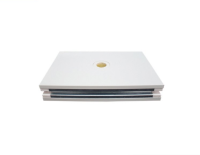
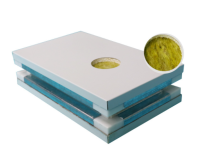
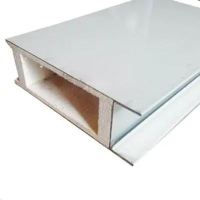
Comparison of performance of different core materials for purification boards:

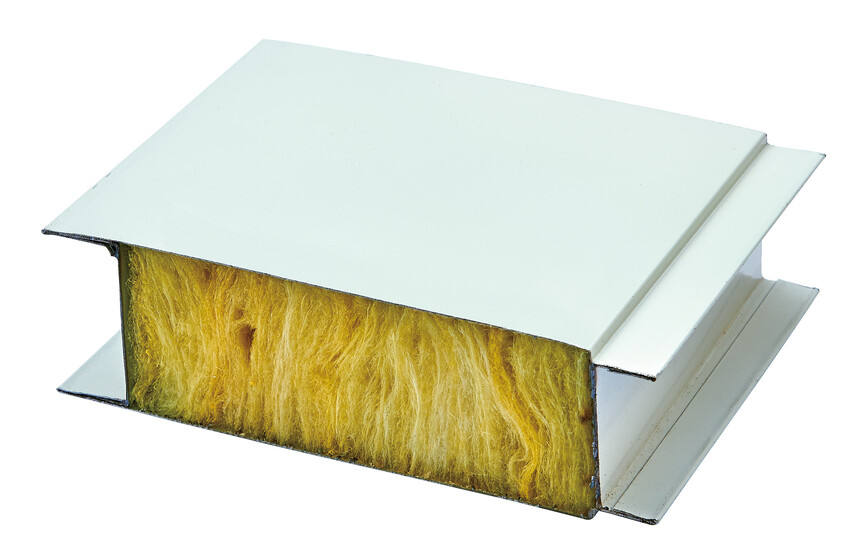

Application scope: This product is lightweight, has good flatness, and good fire resistance. It is suitable for clean rooms in industries such as electronics, food, medical, industrial plants, energy, and machinery.